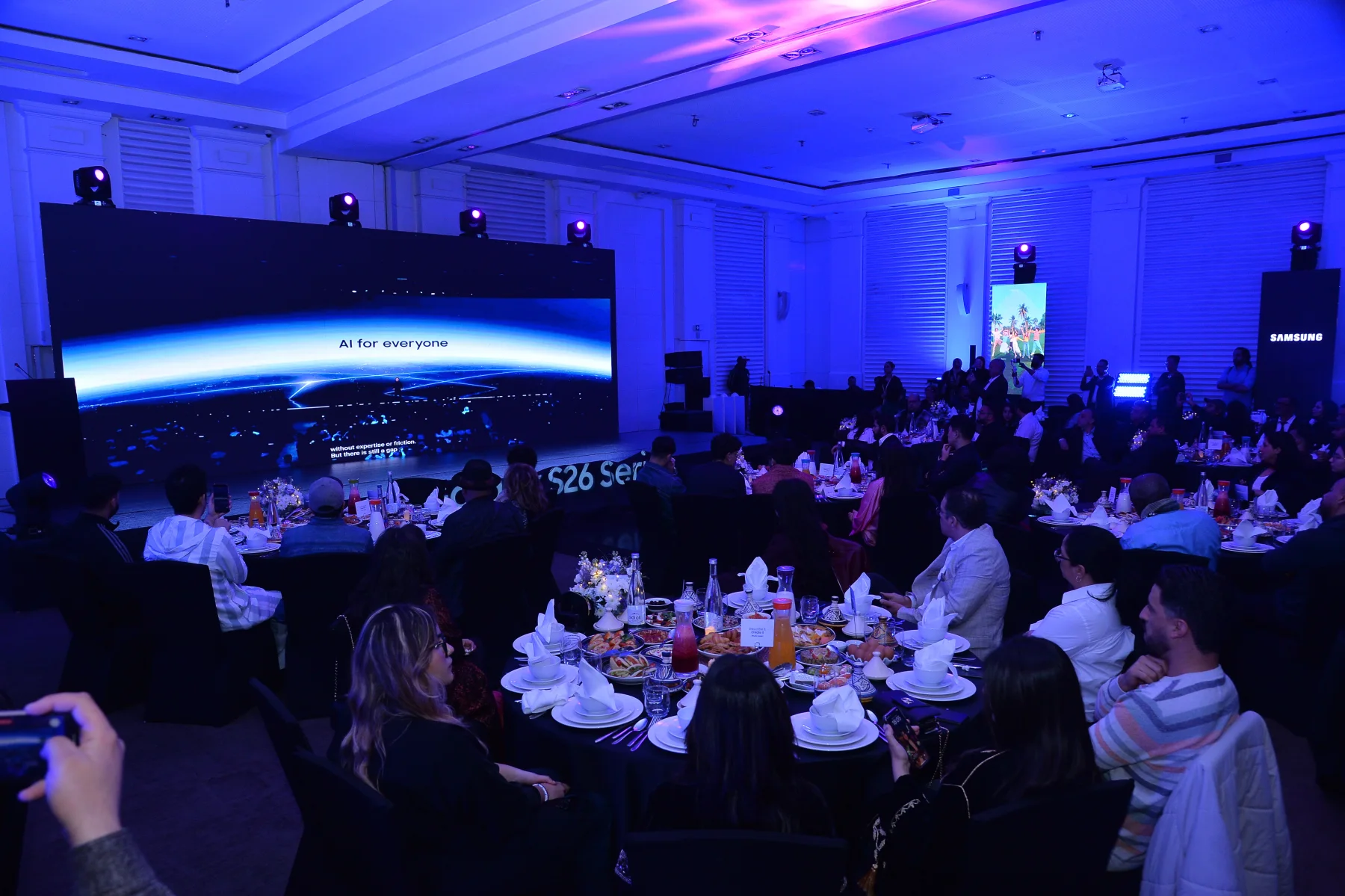
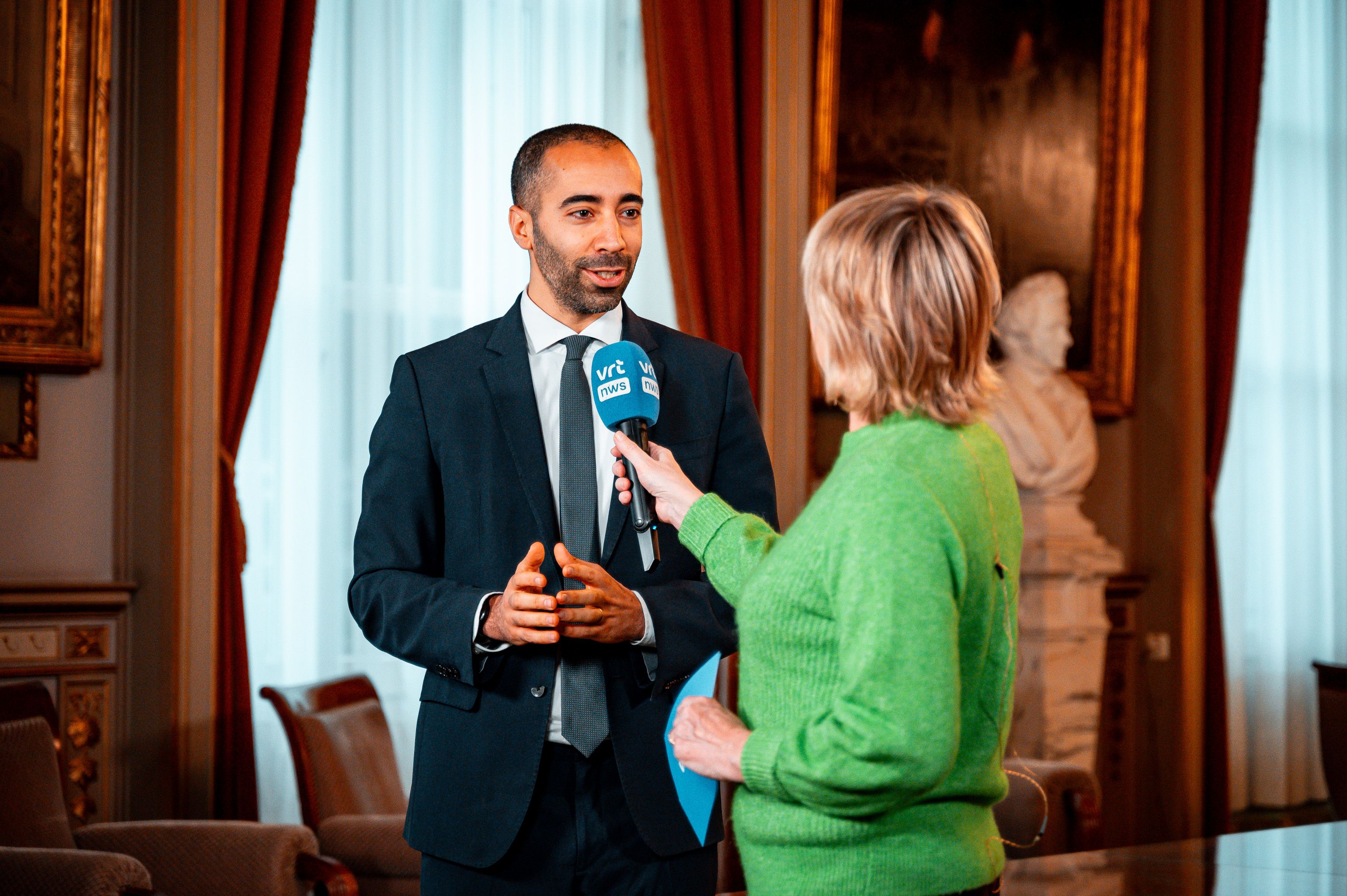
Start With the Editorial Question
A media story becomes useful when it answers a question an audience already has. Before drafting a release or building a press list, define what has changed, why it matters now and who can speak credibly about it.
The strongest angle is rarely the longest version of the brand message. It is the clearest intersection between the news, the audience and the evidence available to support the claim.
Give the Story Something Solid
Journalists need more than a headline. A press-ready story should include:
- a clear and timely angle;
- facts, figures or examples that support it;
- a spokesperson with a useful point of view;
- relevant images or media materials;
- a practical next step for interviews and follow-up.
When these elements are prepared together, outreach feels like the beginning of an editorial conversation rather than a request to distribute a message.

Adapt the Pitch, Keep the Meaning
The central facts should remain consistent, but the pitch should reflect the outlet, the journalist's beat and the audience they serve. A business editor, lifestyle journalist and technology reporter may each need a different entry point into the same announcement.
Relevance earns attention. Clarity helps the story move.
Stay Available After the Pitch
Coverage often depends on what happens after the first email. Fast answers, interview coordination, additional context and accurate supporting material help journalists complete the story while it is still timely.
Good media relations stays with the story from the first angle to the final follow-up.